


![shaftwhores only by [EXE]dann](/files/avatars/2007/51852-shaftwhore.gif "shaftwhores only by [EXE]dann")


Probably the hottest news in the IT industry at the moment is Virtual Reality (VR) related. Basically, every IT news portal is being swarmed with articles about VR development hardware and software wise. One might find themselves caught off guard when it comes to the new technology and with so much information being released, you might as well feel overwhelmed by it. That is the reason for the creation of this article. To get yourself acquainted with the new 'hot stuff', giving you an overview as to why VR is so popular right now.
What are VR headsets?
So what is VR exactly? Well, the short version, a computer-simulated reality. Elaborating it a bit further, a replication of an environment that simulates a real or imaginary world for the purpose of interaction and immersion. The concept is not new and has been around since the mid 1950's, while reaching its climax in the 80's and the 90's of the previous century. Most of us will remember a person with a helmet-like device on its head and corresponding gloves with ‘hundreds’ of wires connecting to the device and standing on an elevated podium surrounded with a railing. The aforementioned description is what VR was basically in the 80's, now things have moved on a bit, which is a good thing.
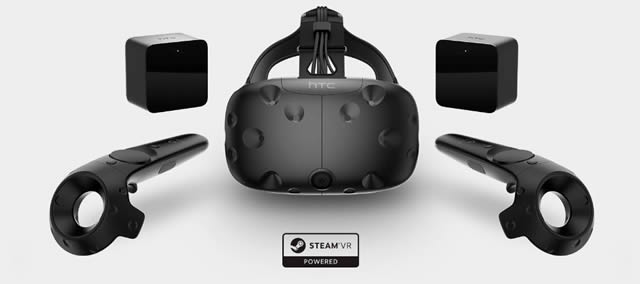
Photo courtesy by HTC
So what does the 21st century have to offer? It offers a lot, but the most interesting come under the names like Oculus Rift, HTC Vive, PlayStation VR and Samsung Gear VR. And these four will be the main focus of this article. VR headsets are often referred to as HMDs which is a short way of saying, Head Mounted Displays. What it does is, it creates a 3D virtual environment in such a way that the screen mounted before your eyes follows you. This is different to TV's or PC monitors where you have to be looking straight at the device, otherwise if you turn your head you lose sight of the screen and miss all the action.
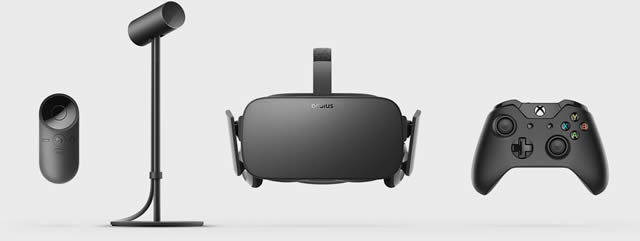
Photo courtesy by Oculus
As mentioned before TV's or monitors are for the most part 2D devices and there's no obvious way of 'looking around' the picture displayed. This is where things become interesting with HMD's, who feature head tracking. Head tracking means that when you move your head while wearing a VR headset, the picture in front of you shifts or tilts as you look up, down and side to side or angle your head. These three motions are registered by a 6DoF (six degrees of freedom) system which measures all three axis x, y and z. This allows the system to track all head movements forward and backwards, side to side and shoulder to shoulder.
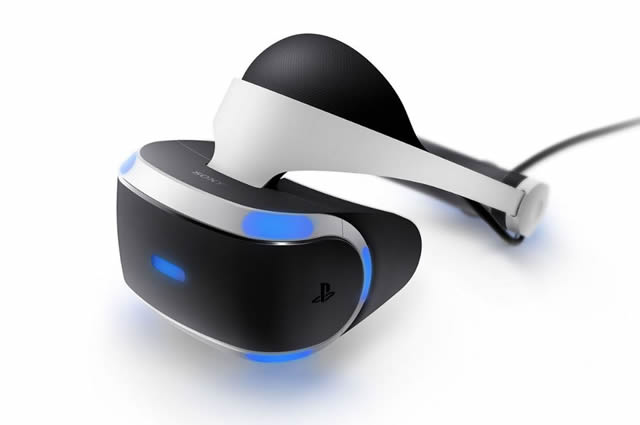
Photo courtesy by Sony PS
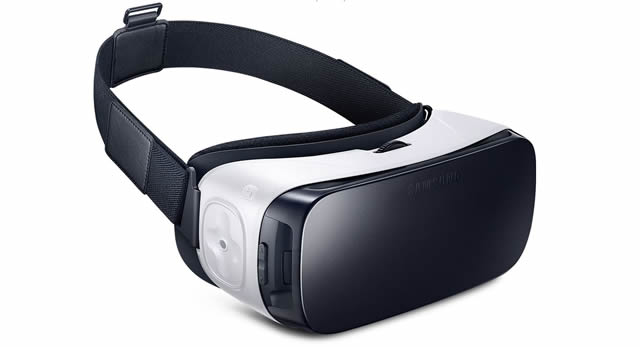
Photo courtesy by Samsung
All of that mentioned so far sounds great but it mainly focuses on our heads. What about interaction? Yes, clever people at VR development thought of our needs to interact so what they came up with is called motion tracking. But it is easier said than done. Most manufacturers are still battling with this feature. Oculus is developing hand strap-on devices that look like small joysticks which wirelessly track your hand movements. Featuring buttons, it allows the user to fire guns or to 'point' or wave. All the while HTC is working on something completely different under the name Lighthouse which was actually invented by Valve. The Lighthouse system features two stations placed somewhere in the room who track your body movements with lasers. According to HTC this solution is very precise and gives you the freedom of moving your entire body, not just your hands as it is with the Oculus Rift. Standard and most simple use of interaction sees using hand held controllers like the Xbox controller or joysticks.
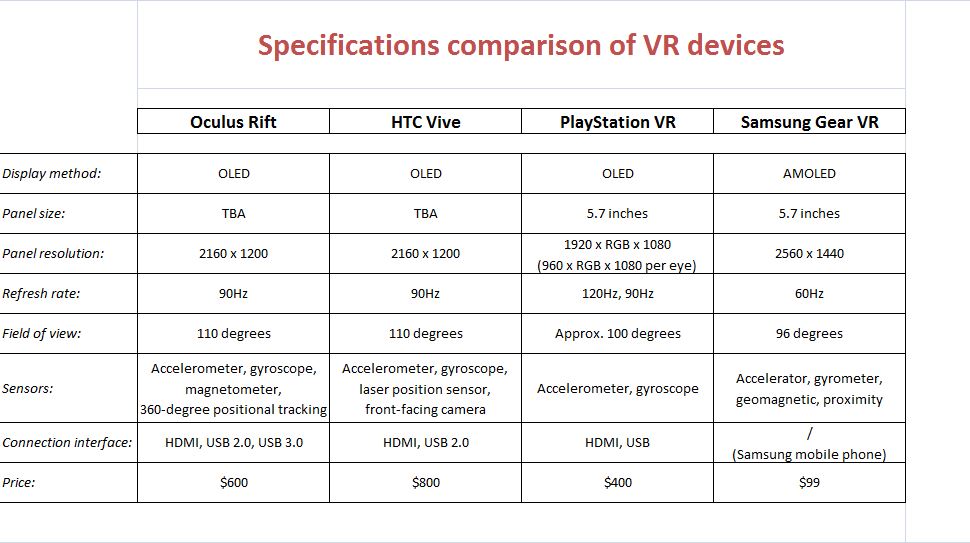
Now that we got the basics covered let's take a look at the following specification comparisons table:
Games for VR
Some notable upcoming VR games:
EVE: Valkyrie for Oculus Rift
Bullet Train for Oculus Rift
Elite: Dangerous for Oculus Rift and HTC Vive
Portal: Aperture for HTC Vive
Star Citizen for Oculus Rift and HTC Vive